Contaminated Material Removal
We bag and haul out soiled insulation, cardboard, paper, and debris in sealed waste. On a typical Georgia attic job that is 200 to 600 pounds of material removed, depending on how long the infestation ran.
Rat Damage Cleanup and Sanitation in Georgia means more than hauling out a dead rat. We pull contaminated insulation, disinfect every surface rats touched, and kill the urine odor at the source. From Savannah rowhouses to Alpharetta attics, our licensed techs handle rodent cleanup in Georgia for homeowners, landlords, and property managers who need it done once, correctly, and fast.
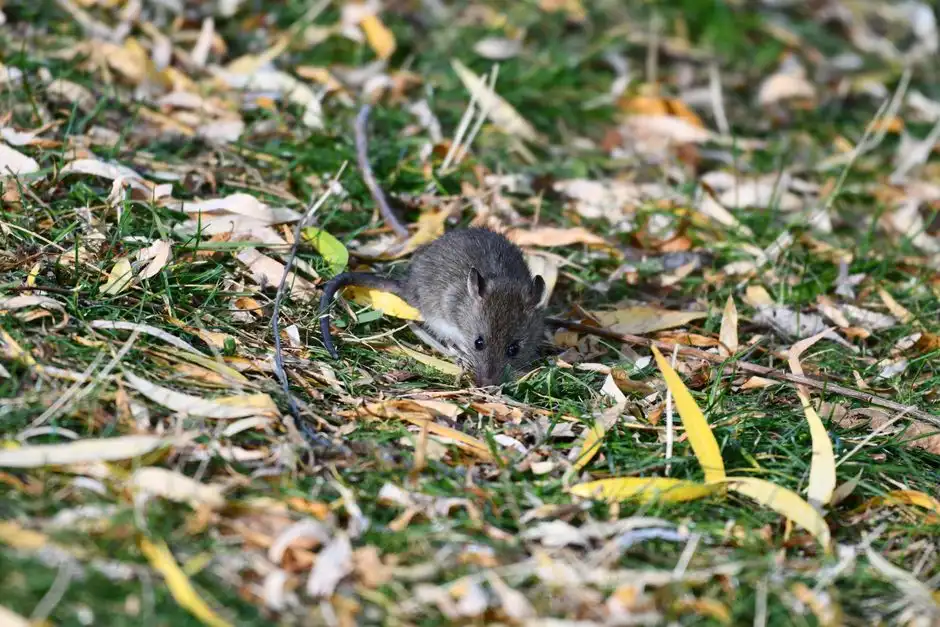
Rat Damage Cleanup and Sanitation in Georgia is the full remediation of what rats leave behind: droppings, urine-soaked insulation, greasy rub marks, chewed wiring, and the pheromone trails that pull new rodents back in. We bag contaminated material in sealed waste, HEPA-vacuum the debris, then apply EPA-registered disinfectant and a commercial-grade deodorizer to attics, crawl spaces, wall voids, and garages. Every job ends with a written sanitation report you can hand to an insurer or a tenant.
Georgia homes give rats plenty of room to work. Mild winters keep roof rats breeding year-round, and the state's older housing stock in places like Riverdale and Washington has the gaps, soffit voids, and pier-and-beam crawl spaces they favor. If you have heard scratching at 2 a.m. or found a single dropping in the pantry, that is usually a colony, not a loner. Call us for rat waste cleanup Georgia homeowners trust before the odor spreads into living space.
Our standard scope covers the full remediation of rodent contamination in attics, crawl spaces, wall voids, garages, and living areas. We remove what is contaminated, disinfect what stays, and seal the entry points rats used. Wiring repair, duct replacement, and insulation reinstall are quoted separately when the inspection shows they are needed.
We bag and haul out soiled insulation, cardboard, paper, and debris in sealed waste. On a typical Georgia attic job that is 200 to 600 pounds of material removed, depending on how long the infestation ran.
Every horizontal surface, top plate, and duct exterior gets HEPA-vacuumed to capture fine dust and dried urine particles. This is the step that keeps allergens out of your living space after we leave.
We spray an EPA-registered disinfectant rated for rodent-borne pathogens across all treated surfaces. Framing, subfloor, and wall cavities are all covered. The product is applied by an EPA-certified applicator.
A commercial fogger pushes deodorizer into wall voids and attic bays to neutralize the uric acid crystals causing the smell. This is what separates real sanitation from a surface wipe-down.
We close every gap we mapped during inspection using copper mesh, steel wool, exclusion sealant, and hardware cloth. Rats cannot chew through copper, so the seal holds where foam and caulk fail.
You receive a photo log and itemized report listing materials removed, treatments applied, and any damage flagged for other trades. This is the document insurers and property managers ask for.
A licensed tech walks the attic, crawl space, garage, and kitchen with an inspection mirror and flashlight, marking droppings, rub marks, burrows, and entry points on a diagram. This takes 45 to 90 minutes on a typical Georgia home and tells us the true scope before we quote.
We seal the work zone, lay drop cloths, and bag all contaminated insulation, cardboard, and debris in sealed waste. Techs wear protective suits and respirators the entire time. On a 1,200-square-foot attic, removal usually runs three to five hours.
Every horizontal surface gets HEPA-vacuumed, then sprayed with an EPA-registered disinfectant rated for rodent-borne pathogens. We treat framing, top plates, duct exteriors, and the subfloor above the crawl space. This is the step that actually kills the odor.
We fog a commercial deodorizer into wall voids and attic bays to neutralize residual uric acid. Then we close the entry points we mapped in step one using copper mesh, steel wool, exclusion sealant, and hardware cloth. Rats do not chew through copper.
You get a room-by-room walkthrough, photos of the before and after, and a written sanitation report listing materials removed and treatments applied. We also flag any wiring or duct damage that needs a licensed electrician or HVAC tech to sign off on.
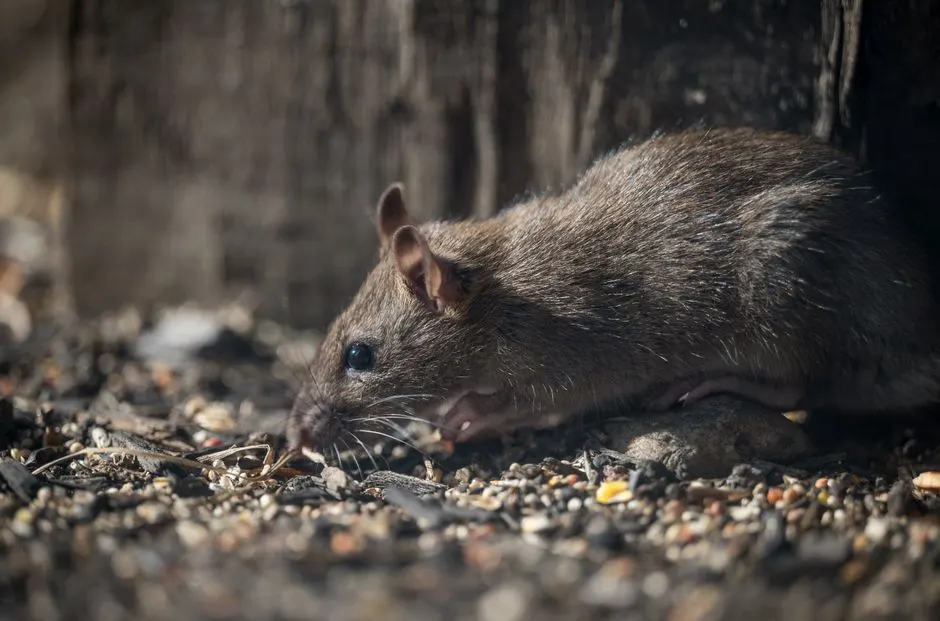
A licensed tech walks the attic, crawl space, garage, and kitchen with an inspection mirror and flashlight, marking droppings, rub marks, burrows, and entry points on a diagram. This takes 45 to 90 minutes on a typical Georgia home and tells us the true scope before we quote.
Capture fine dust, dried urine particles, and rodent allergens that a shop vac just blows back into the air. Required on every sanitation scope.
Apply EPA-registered disinfectant evenly across framing, subfloor, and duct exteriors. We use pump and fogger units sized for attic and crawl space work.
Seal entry gaps rats cannot chew through. Copper mesh is the standard for soffit voids, plumbing penetrations, and roofline gaps.
Close larger openings around vents, gable ends, and crawl space doors. Sealant bonds the cloth to framing so the patch holds for years.
Trap the active population before sanitation starts. Snap traps handle interior work, live traps handle sensitive placements.
Keep our techs safe from hantavirus, leptospirosis, and airborne allergens. OSHA-compliant gear on every containment job.
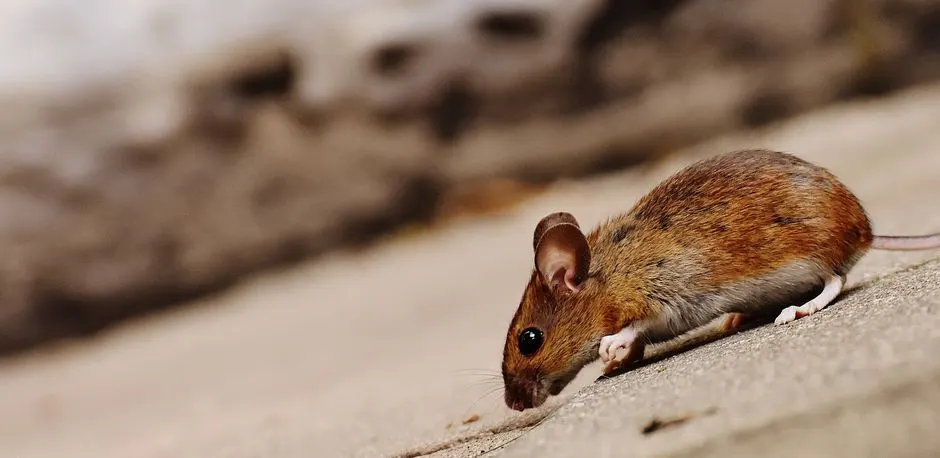
A 1,400-square-foot attic with roof rat damage across two bays. Insulation was matted and urine-soaked, droppings lined the top plates, and the odor was reaching the master bedroom through the HVAC return.
After: We removed 420 pounds of contaminated insulation, HEPA-vacuumed every surface, disinfected the framing, and fogged the voids. The odor was gone within 24 hours and the attic passed a follow-up inspection two weeks later.
Book this service →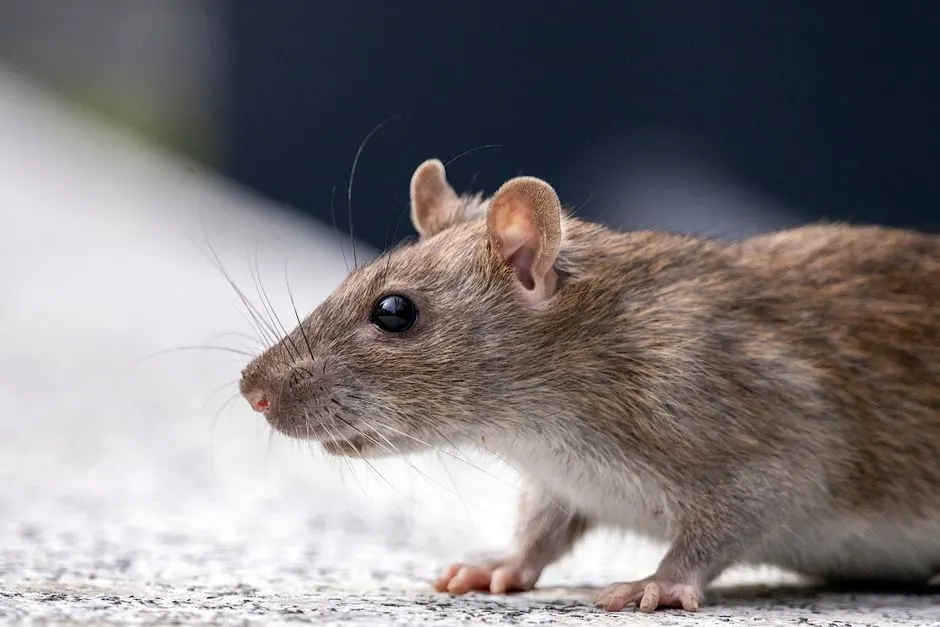
A 1920s rowhouse crawl space with pier-and-beam framing, a torn vapor barrier, and rat burrows along the foundation. Urine odor was rising into the first-floor kitchen.
After: We removed the ruined vapor barrier, treated the pier framing and subfloor with EPA-registered disinfectant, and reinstalled a fresh barrier. The kitchen odor cleared in two days and the tenant renewed the lease.
Book this service →
Droppings in the pantry and a dead rat odor coming from the wall behind the dishwasher. The homeowner had already thrown out two shelves of food and was still finding evidence.
After: We located the carcass with inspection mirrors, removed it, disinfected the wall cavity, and sealed the entry point behind the dishwasher with copper mesh. The pantry was cleared and the odor gone the next morning.
Book this service →Most Georgia homeowners call us after weeks of guessing. By then the contamination is bigger than it looks. These are the four problems we see most often, and what happens if they get ignored.
Ask a pro →We locate the saturated zones, remove the ruined material, disinfect the framing, and fog the voids with deodorizer. Most customers notice the difference within a day of the final treatment.
We HEPA-vacuum and disinfect the affected surfaces, then trap and exclude so the trail goes cold. You get a sanitation report showing exactly what was treated.
We document every chewed run with photos, flag it for a licensed electrician or HVAC tech, and sanitize the surrounding area so the repair crew is not working in contamination.
We remove the ruined sections, treat the voids, and can reinstall fresh insulation and a vapor barrier so the attic performs the way it was built to.
Most Georgia rat damage cleanup jobs run $450 to $2,800 depending on attic or crawl space square footage, how much insulation is contaminated, and whether deodorization is needed. A single-room cleanup with light droppings sits at the low end. A full attic with saturated insulation and odor treatment sits at the high end. We quote a flat price after the inspection, and the number does not change unless you add scope.
Do not sweep or vacuum dry droppings without a respirator, because that aerosolizes pathogens. Seal the room, wear gloves and an N95 at minimum, mist droppings with disinfectant before removal, and bag everything in sealed waste. That said, most Georgia homeowners should not do this themselves. Attic and crawl space contamination is usually far larger than what is visible, and a pro crew with HEPA equipment and EPA-registered disinfectant gets it right the first time.
Our scope covers removal of contaminated insulation and debris, HEPA vacuuming of all surfaces, EPA-registered disinfection, commercial deodorization of wall voids and attic bays, and sealing of the entry points rats used. We finish with a written sanitation report. Wiring repair and duct replacement are separate trades, and we flag those items for you during the walkthrough.
Many Georgia homeowner policies cover resulting damage like chewed wiring, ruined insulation, and ductwork, though the pest removal itself is usually excluded. Coverage depends on your carrier and whether the loss was documented. Our photo log and itemized sanitation report give your adjuster what they need to evaluate the claim. Call your carrier before work starts if you plan to file.
Rat Experts delivers rat damage cleanup and sanitation across the entire state of Georgia. Whether you are in a metro Atlanta suburb, a coastal town, or a rural community in south Georgia, we route the nearest crew and handle removal, disinfection, deodorization, and exclusion in one scope. Here is how our rodent cleanup Georgia service runs in some of the communities we cover most.
Riverdale's mid-century homes have pier-and-beam crawl spaces that trap urine odor under the subfloor. We run full crawl space sanitation, replace contaminated vapor barriers, and seal foundation gaps with hardware cloth.
↗ 02 WatkinsvilleWatkinsville properties near the Oconee River corridor see heavy roof rat pressure from tree cover. We seal roofline entry points with copper mesh, then sanitize the attic bays below.
↗ 03 WashingtonWashington's historic homes have original wall voids and shared framing. We treat the full cavity, not just the visible attic, and hand-fit exclusion patches to match the older construction.
↗ 04 HoschtonHoschton's newer builds have tight envelopes but still leave soffit gaps and HVAC penetrations open. Exclusion work here is precise and usually runs one to two hours per home.
↗ 05 GraysonGrayson homes on larger lots back up to wooded acreage, which gives rats easy access. We seal the tree-side entry points first, then run the sanitation scope in the attic and garage.
↗ 06 LilburnLilburn's mature tree canopy puts roof rats on the roofline year-round. We handle removal, disinfection, and deodorization in one visit, then seal the gaps they used to get in.
↗ 07 AlpharettaAlpharetta attics are often large and open, which means contamination spreads fast. We map the full scope with inspection mirrors, then run HEPA vacuuming and disinfection across every bay.
↗ 08 Fort StewartFort Stewart's humid coastal climate accelerates mold growth on urine-soaked framing. We prioritize disinfection within the first visit to stop secondary damage before it spreads.
↗ 09 JesupJesup's mix of rural and in-town properties sees rats in barns, garages, and crawl spaces. We handle burrow removal, sanitation, and exclusion in one scope, no matter the building type.
↗ 10 DaculaDacula's newer subdivisions still leave plumbing penetrations and soffit gaps open. We seal them with copper mesh and steel wool, then disinfect the attic bays where droppings collected.
↗ 11 HazlehurstHazlehurst's older housing stock and agricultural surroundings make rat pressure constant. We run full attic and crawl space sanitation, then seal the foundation and roofline entry points.
↗ 12 AuburnAuburn homes near the Apalachee corridor see roof rats moving along tree limbs. We seal the roofline, disinfect the attic, and fog the wall voids to kill the odor at the source.
↗ 13 SavannahSavannah's historic rowhouses share wall voids, so rats move between units. We treat the full cavity, disinfect the framing, and provide a written report for property managers and insurers.
↗ 14 AmericusAmericus's humid summers and older homes create ideal rat harborage. We remove contaminated insulation, HEPA-vacuum every surface, and seal entry points with copper mesh and hardware cloth.
↗ 15 ByronByron's suburban growth has pushed rats from nearby fields into garages and attics. We handle removal, sanitation, and exclusion in one visit, with a written report for your records.
↗If you have found droppings, smelled urine in the attic, or pulled a dead rat out of a wall, call now. We run 24/7 dispatch across Georgia, quote a flat price after inspection, and back our sanitation work with a written report. Same-day slots fill fast.
Call Now (833) 9383-854 →Reach us any hour at (833) 9383-854 for a free inspection and a written price. We answer live, day or night, and dispatch statewide across Georgia. Most jobs are scheduled same-day or next-day, and emergency calls get a technician out within 60 to 90 minutes.